
Salicylic Acid in Pakistan: Research and Our Acne Serum
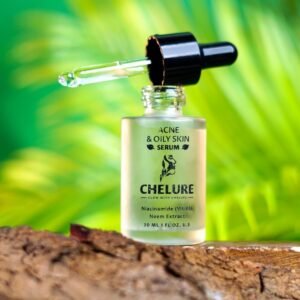
Short answer: Salicylic acid is a beta hydroxy acid (BHA) that dissolves in oil, so it can work inside pores to loosen the mix of oil and dead skin behind blackheads and whiteheads. It is a long-established over-the-counter acne ingredient. The best reviews rate the evidence for topical acne treatments as limited in quality. Our Acne & Oil Control Serum lists 2% salicylic acid with 10% niacinamide, zinc PCA and neem extract, 30 mL for Rs 2,450.
Key takeaways
- Salicylic acid helps with clogged pores and blackheads more than with deep, painful cystic acne.
- Dryness and peeling are the usual side effects, so start slowly.
- A Cochrane review found the clinical benefit of topical salicylic acid and similar treatments unclear because trials were small and of mixed quality.
- Painful, scarring or widespread acne should be seen by a skin doctor.
What salicylic acid is
Salicylic acid is related to the compound found in willow bark. Unlike water-soluble acids, it dissolves in oil, so it can enter pores. A review of salicylic acid as a peeling agent (Clin Cosmet Investig Dermatol 2015, PMID 26347269) describes its comedolytic action (clearing clogged pores) and says it works by disrupting the cell links that hold dead skin together, rather than by melting keratin. Over-the-counter acne treatments built on it are reviewed in Semin Cutan Med Surg 2008 (PMID 18786494).
What the research says
| Source | What it covered | What it found |
|---|---|---|
| Cochrane review, 2020 (PMID 32356369) | 49 trials of topical azelaic acid, salicylic acid, nicotinamide, sulphur, zinc and alpha-hydroxy acid for acne | Authors state clinical benefit is unclear; many trials were small or at risk of bias |
| Salicylic acid peeling review, 2015 (PMID 26347269) | Efficacy and safety in several skin types | Describes use for acne and other concerns; notes safety data across skin types |
| Over-the-counter acne treatments, 2008 (PMID 18786494) | Review of non-prescription options | Salicylic acid listed among them |
| Oily skin treatment options, 2017 (PMID 28979664) | Review of topical and other options | Places cosmeceutical agents among routes for oily skin |
How to read it: salicylic acid is widely used and has a plausible mechanism, but strong head-to-head trials are few. We say so rather than promise results.
Salicylic acid vs other acne ingredients
Benzoyl peroxide, azelaic acid, mandelic acid and prescription retinoids each work differently. We cover those comparisons in our guides; this page stays on salicylic acid and our serum.
Why Chelure’s Acne & Oil Control Serum uses these ingredients
- 2% salicylic acid. A standard over-the-counter strength; works inside the pore.
- 10% niacinamide (vitamin B3). Studied for sebum control and the barrier (see our niacinamide guide). Trials mostly use 2% to 4%; there is no evidence that 10% works better, and some skin flushes or stings, so patch-test.
- Zinc PCA. Listed in the formula for oil balance. We have not cited a study on zinc PCA specifically.
- Neem extract. Traditionally used for blemish-prone skin; a 2024 narrative review covers its uses (PMID 39447127), but human acne data are limited.
- Licorice extract and allantoin. Soothing, to balance the acid.
What happens when they are combined
No trial exists of this exact serum. The reasoning: salicylic acid works inside the pore; niacinamide and zinc PCA are for oil and barrier support; licorice and allantoin calm. A water-based formula keeps it light for humid weather. Stacking an acid with a high-strength niacinamide can irritate some people, so start every second evening and moisturize after.
Price comparison
| Product | Size | Price | Per mL |
|---|---|---|---|
| Chelure Acne & Oil Control Serum (2% salicylic acid + 10% niacinamide + zinc PCA + neem) | 30 mL | Rs 2,450 | about Rs 82 |
| Imported 2% salicylic acid liquid exfoliant | 30 mL | Rs 4,800 to Rs 7,900 (Pakistani online retailers, checked 3 Nov 2026) | about Rs 160 to Rs 263 |
| Imported 10% niacinamide plus zinc serum | 30 mL | Rs 2,450 to Rs 4,995; most Rs 3,100 to Rs 4,400 | about Rs 82 to Rs 167 |
| Both bought separately | 2 bottles | about Rs 7,250 to Rs 12,900 | n/a |
Some discounted niacinamide listings come close to our per-mL price; our serum also includes the salicylic acid. Very cheap listings can be counterfeit, so buy from an authorised seller. Delivery is a flat Rs 250 across Pakistan.
BHA and AHA: how they differ for clogged pores
Hydroxy acids are grouped into alpha, beta and polyhydroxy acids (PMID 21437068). Salicylic acid is the beta hydroxy acid. Because it dissolves in oil, it can work inside pores, and the peeling review we cite describes its comedolytic action, meaning it helps clear the plug of oil and dead cells (PMID 26347269). Alpha hydroxy acids such as glycolic and lactic acid act more on the skin surface. In practice, a BHA is the usual choice for blackheads and whiteheads, and an AHA for dullness and texture. Our mandelic acid versus salicylic acid guide compares the two for acne.
Absorption and safety: what a review says
A review of topical acne treatments looked at how much of each active reaches the bloodstream (PMID 12814337). It notes that benzoyl peroxide, salicylic acid, sulfur and sodium sulfacetamide are sold over the counter at strengths of 2% or more and that all of them show some degree of absorption through the skin. For a leave-on 2% serum used on the face, irritation, dryness and peeling are the practical concerns. If you are pregnant or breastfeeding, have an aspirin allergy, or plan to use salicylic acid over large areas of the body, ask your doctor first.
A simple acne routine for humid weather
- Morning: gentle cleanser, a light gel moisturizer, then sunscreen. A heavy cream can feel sticky in humidity.
- Evening: cleanse, apply the serum every second night for two weeks, then nightly if comfortable, then moisturizer.
- Do not stack several exfoliating products. One acid at a time is enough, and more is not faster.
- Friction from helmets, masks and hijabs can add to breakouts around the jaw and forehead (see our guide to friction breakouts).
- Do not pick or squeeze. It spreads inflammation and is a common cause of the dark marks that follow.
When salicylic acid is not enough
Salicylic acid suits clogged pores and mild to moderate breakouts. Deep, painful lumps, acne that leaves scars, acne that keeps returning along the jawline around your period, or acne that is spreading all deserve a skin doctor. Our guides to cystic acne versus ordinary pimples and hormonal acne explain the signs, and waiting for an over-the-counter serum to fix them can allow scarring.
Reading the label: BHA, salicylic acid and look-alikes
- The label strength is the percentage of the named ingredient. Compare 2% salicylic acid with 2% salicylic acid, not with a product that only says BHA.
- Other salicylate ingredients, such as betaine salicylate, are different compounds with their own behaviour. Compare the ingredient name, not just the word BHA.
- Cleansers rinse off, so a 2% wash is not equivalent to a 2% leave-on serum. See our salicylic acid face wash guide.
Common mistakes with acne serums
- Using an acid on skin that is already irritated or sunburnt.
- Layering a salicylic acid cleanser, toner, serum and spot treatment on the same day. One leave-on acid is enough.
- Skipping moisturizer because skin feels oily. Over-drying can make skin sting and feel worse.
- Judging in a week. Clogged pores change before pimples do, and 4 to 8 weeks is a fairer window.
- Mixing it with benzoyl peroxide or retinol on the same night without a plan. See our comparison with benzoyl peroxide.
Heat, sweat and dust in Karachi
Sweat, traffic dust and humid air can clog pores. Cleansing gently after you have been out, rather than scrubbing, helps an acid work better. Our guides on dust and traffic and hard water and the skin barrier cover the local factors that make some skin more reactive to acids.
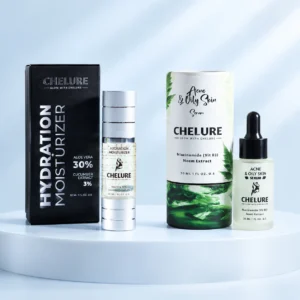
Set A: Acne Serum + Hydration Moisturizer
How to use it
Cleanse; a few drops on dry skin; start every second evening, then nightly if comfortable; moisturizer after; sunscreen every morning; patch-test first.
Who should speak to a doctor first
Pregnancy or breastfeeding (ask about salicylic acid strengths), aspirin allergy, painful or scarring acne, or any reaction that does not settle.
Frequently asked questions
What does salicylic acid do for acne?
Salicylic acid dissolves in oil, so it can work inside pores to loosen the oil and dead skin behind blackheads and whiteheads. It suits clogged pores better than deep, painful cystic acne. A Cochrane review found the benefit of topical acne treatments unclear because trials were small.
Is 2% salicylic acid strong enough?
Two percent is a common over-the-counter strength and is what our serum lists. Stronger is not automatically better, because dryness and peeling rise with strength. If acne is painful, widespread or leaving scars, a skin doctor can advise on stronger options.
How long does salicylic acid take to work?
Skin renews over weeks, so most people judge an acne serum after 4 to 8 weeks of regular use. Clogged pores often change first. Results vary, and painful or scarring acne needs a doctor rather than a longer wait.
Why does my skin purge at first?
When you start an exfoliating acid, skin can break out more for a few weeks as clogged pores come to the surface. Pimples in new places, or breakouts that keep worsening, are more likely irritation or a reaction, so slow down and check our guide on purging versus breakouts.
Can I use salicylic acid with niacinamide or retinol?
Our serum already pairs 2% salicylic acid with 10% niacinamide. Adding retinol at the same time can over-dry skin, so use retinol on different nights at first, moisturize after the serum, and wear sunscreen every morning.
Is salicylic acid good for oily skin in humid weather?
A water-based formula like ours is light for humid weather and does not leave a heavy film. Humidity can still mean more oil and clogged pores, so use the serum in the evening, follow with a light gel moisturizer, and cleanse gently.
Sources
- Arif T et al. Salicylic acid as a peeling agent: a comprehensive review. Clin Cosmet Investig Dermatol, 2015. PubMed 26347269
- Liu H et al. Topical azelaic acid, salicylic acid, nicotinamide, sulphur, zinc and fruit acid (alpha-hydroxy acid) for acne. Cochrane Database Syst Rev, 2020. PubMed 32356369
- Bowe WP et al. Effective over-the-counter acne treatments. Semin Cutan Med Surg, 2008. PubMed 18786494
- Endly DC et al. Oily Skin: A review of Treatment Options. J Clin Aesthet Dermatol, 2017. PubMed 28979664
- Mehnaz S et al. Therapeutic Applications of Neem (Azadirachta indica): A Narrative Review. Adv Mind Body Med, 2024. PubMed 39447127
- Akhavan A et al. Topical acne drugs: review of clinical properties, systemic exposure, and safety. Am J Clin Dermatol, 2003. PubMed 12814337
Related guides
- Salicylic Acid Face Wash in Pakistan: How to Choose and Use It
- 2% Salicylic Acid vs 10% Niacinamide: Do You Need Both?
- Azelaic Acid vs Salicylic Acid in Pakistan: Which Suits Your Skin?
- Benzoyl Peroxide vs Salicylic Acid in Pakistan: Which for Pimples?
- Mandelic Acid Serum in Pakistan: Price, Benefits and vs Salicylic Acid
- Acne Serum for Oily Skin in Pakistan: What to Look For
- Blackheads Removal at Home: What Is Safe and What Is Not
- Acne Serum Price in Pakistan: What You Get at Different Budgets
More ingredient guides
This page is general information, not medical advice. See how we write and source our guides.